


What is a Dedicated Server: A Complete Guide
Whether running a booming e-commerce store, a popular blog, or a growing business website, how you choose to host your website directly impacts its performance and your users’ experience. This is where web hosting comes in, providing the space and resources your website needs to thrive.
However, various options are available when discussing web hosting solutions, each with its strengths. One such solution is dedicated hosting servers designed to address the limitations of shared hosting.
Under a shared hosting plan, your website will share the server’s resources with other websites also on a shared hosting plan. By contrast, a dedicated server gives you exclusive access to the complete physical server. This translates to complete control over resources like processing power, storage, and bandwidth, ensuring optimal website performance and security.
In this comprehensive article, we will go in-depth about everything you need to know about dedicated servers, from their core functionalities to their benefits. Read along!
What is a Dedicated Server?

A dedicated server is a single physical server wholly assigned to one organisation or customer by a hosting provider. Unlike shared hosting, where multiple websites reside on the same server sharing resources, dedicated servers provide an isolated environment with full access to the machine’s computing power.
When you opt for dedicated hosting, the provider allocates an entire physical server housed in their data centre solely for your use. This server contains hardware components like processors (CPUs), memory (RAM), storage drives, and network interfaces that work together to run your applications and websites.
Also, in a fully managed dedicated hosting service, the provider handles responsibilities like operating system updates, security patching, software installations, server monitoring, and technical support. You can handle all these server administration and maintenance tasks with an unmanaged service.
How does Dedicated Hosting Work?
With dedicated hosting, you rent an entire physical server from a hosting provider’s data centre. This server is dedicated solely to your organisation, and you get exclusive access to computing resources of the server like its CPU, RAM, storage, and bandwidth. The hosting provider assures a certain level of uptime and offers support for any hardware failures or technical issues that may arise.


One of the core benefits is that you gain root or administrative access to the server. This allows you to fully configure the software environment as per your requirements. Here are a few more pointers to help you get a better understanding of how dedicated hosting works:
- The processor handles all the computation and processing tasks required to run your website or applications.
- Memory provides temporary data storage that the CPU needs for efficient execution.
- Storage drives like HDDs or SSDs store your website files, databases, and other persistent data.
- A network interface connects the server to the internet to allow data transfers between the server and users accessing your site.
- The operating system forms the foundational layer, managing the server’s resources and providing a platform for your server applications and software to run on top of it.
- Dedicated hosting allows for robust security measures, including firewalls, DDoS protection, and SSL certificates.
- With root access, you can install necessary software and applications tailored to your specific needs on the server.
What are the Different Types of Dedicated Servers?
Dedicated servers come in various configurations tailored to meet business needs and workload requirements. Based on their purpose and capabilities, here are some of the key types of dedicated servers:
- Email Server
- Web Server
- Game Server
- Application Server
- Enterprise Server
- High-Performance Server
Email Server
As the name suggests, email servers are dedicated machines optimised for business communication, email management, and collaboration. They allow businesses to create custom email addresses, set attachment limits, track communication threads, and ensure high-level security when sharing confidential data. Email servers are crucial for organisations that prioritise professional digital communication.

Web Server
Web servers are explicitly engineered to host and serve website content efficiently to end-users. With powerful hardware and software tuned for optimal web hosting performance, they ensure reliable connectivity, efficient data management, and fast page loading times. Dedicated web servers are ideal for large enterprises or e-commerce sites that experience heavy traffic volumes.
Game Server
The online gaming experience hinges on low latency and robust performance. Game servers pack substantial computing power, memory, and storage capacity to run game software smoothly without lags or interruptions. They prevent issues like high ping and server downtimes that plagued shared game hosting environments.

Application Server
Dedicated application servers for businesses that host proprietary web applications offer superior uptime, data integrity, and seamless update/upgrade deployment. They are optimised to deliver a seamless user experience for application visitors while simplifying backend management for developers.

Enterprise Server
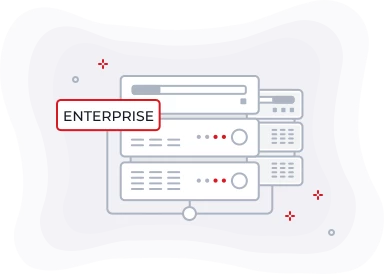
Enterprise-grade dedicated servers provide the highest reliability, availability, and performance levels. Their hardware specifications mirror what enterprise IT departments would provision for mission-critical application systems. They offer extensive customization of RAM, CPUs, storage, RAID, and networking components such as dedicated internet connectivity and firewalls.
High-Performance Server
These servers pack specialised hardware, like powerful GPUs from leading manufacturers. Government agencies, big data companies, and research institutions usually leverage high-performance dedicated servers for intensive data processing, analytics, machine learning, and academic computing workloads that require immense number-crunching capabilities.

Dedicated Server Features
Dedicated server hosting is a solution that gives businesses and organisations complete management over a single physical server. This type of hosting is appropriate for enterprises with complicated websites that require a high level of website security and large visitor volume. A few more features of a dedicated server are:
High Performance and Resources
Dedicated servers provide immense computing power with top-of-the-line CPUs, generous amounts of RAM, and ultra-fast storage optimised for resource-intensive applications. You can access these high-performance hardware resources without sharing them with other users.

Robust Security
Security is a major strength of dedicated server hosting. The isolated environment allows you to implement robust security measures like firewalls, anti-malware programs, and easy patching/upgrades. Top providers offer additional safeguards like web application security, SSL certificates, spam filtering, DDoS protection, and intrusion prevention systems.

Backup and Customization Flexibility
With a dedicated server, you have complete control over the allocated resources, allowing you to customise the configuration precisely to your business needs. You can selectively choose the required features and pay only for what you use rather than settling for a one-size-fits-all solution.

Managed Expertise and Scalability
Dedicated hosting plans often include fully managed services, freeing your team to focus on core tasks while ensuring optimal uptime, performance, and security. As your business grows, dedicated servers handle increased traffic and computing needs, allowing easy addition of server nodes and application distribution to boost performance.

Benefits of Dedicated Server for Businesses
A dedicated environment lets you choose your server's hardware, operating system, and software stack. You get root access, like customising a personal computer, to optimise every setting for your website’s unique needs. Here are a few more key benefits a dedicated server offers for business websites:


Use Cases of a Dedicated Server
The most popular use for a dedicated server is to host websites. When your website receives a high daily traffic volume, upgrading to dedicated server hosting is the best course of action. Why? A dedicated server provides exclusive access to the hardware resources your applications demand without sharing them with other users. Let’s discuss a few more use cases of deploying a dedicated server in your organisation:
- E-commerce
- High Traffic Websites
- Running Business Applications
- File Storage and Backups
E-commerce
E-commerce sites often experience huge spikes in visitor traffic, especially during seasonal sales or new product releases. A dedicated server offers the horsepower needed to handle a high volume of transactions simultaneously while running resource-heavy e-commerce software seamlessly. This helps maintain crucial performance metrics like page speed and reduces cart abandonment rates.

High Traffic Websites
A dedicated server trumps shared or VPS hosting if your website is rapidly growing or requires more server resources and granular control for optimal management. Its powerful infrastructure can easily handle sites that receive thousands of concurrent visitors and page requests per second, such as popular online stores.

Running Business Applications
For businesses relying on custom software, web apps, or other proprietary tools, a dedicated server offers the flexibility to install and configure these applications exactly as needed. You gain full control over the server environment tailored to your unique requirements.

File Storage and Backups
Data security is paramount for business continuity. A dedicated server provides a secure, self-contained environment to regularly store and back up your critical website data. You can also set it up as an FTP server for seamless file transfers.

Why should you prefer Managed Dedicated Servers?


Tips for Choosing A Dedicated Server Provider


Now that we’ve covered the use cases for dedicated hosted server providers, here’s a checklist to help you choose one. These factors will simplify the decision-making process and help you select the proper server choice:
- Assess Performance Requirements
Your server’s performance dictates how well your website loads and its ability to handle simultaneous requests. You must analyse the processing power, memory, and storage options to determine if they can handle your specific traffic volumes and data-intensive applications. High-performance servers are essential for businesses expecting high traffic or running resource-heavy software.
- Ensure Customization Flexibility
Over time, your business requirements are bound to shift. So, it is vital that your dedicated server and hosting provider offer the flexibility to adapt and scale as needed. You should be able to monitor, upgrade, and select different software components for your server according to your changing needs. The ability to install custom software, programs, and security measures that benefit your organisation is paramount.
- Consider Internet Bandwidth
The amount of internet bandwidth you have directly correlates to your website’s speed and reliability. Since most of your software and apps will likely be hosted on your site, opting for higher bandwidth ensures a more dependable connection and enhanced user experience. Dedicated hosting allows you to allocate your bandwidth fully without sharing resources with other clients.
- Evaluate Backup Options
Data backups act as a safety net, safeguarding critical data from potential loss, corruption, or security breaches. When choosing a server, look for providers that include automated backup services or easily integrate with third-party backup solutions for secure data recovery.
- Consider Budget
Dedicated server costs vary widely, from under $100 to $1000 per month. You need to thoroughly assess your budgetary requirements against potential providers' performance, security, and support offerings. While affordable options are enticing, investing in a higher-priced yet more reliable and scalable solution can prevent costly headaches down the line.
Why Choose Vodien Dedicated Servers?
Vodien offers powerful dedicated server solutions for businesses and individuals in Singapore who require ultimate performance and control over their web hosting environment. We have different dedicated server options to cater to varying requirements:
- Self-Managed Servers: These are best for tech-savvy users who want full root access to configure the server according to their needs. You can choose your operating system, such as AlmaLinux, Rocky Linux or Ubuntu.
- Managed Servers: Suitable for those who want Vodien to handle basic server optimizations and configurations. Vodien will install the cPanel/WHM control panel and can create up to 20 hosting accounts.
- Managed PRO Servers: This top-tier option comes pre-installed with cPanel and allows up to 50 hosting accounts. It is ideal for web agencies and developers managing multiple client sites.
Moreover, there are numerous benefits to choosing Vodien’s dedicated servers, including:


See What Our Customers Are Saying
Why Choose


Fast websites
Our network is backed up with the latest NVMe interface featuring faster page load speeds than solid state drives (SSDs). This results in faster load time and better site performance.

Trustworthy
We continuously work to expand our core cloud network. This is our commitment to provide you with higher protection and 99.9% uptime service.

Cost-effective
Get a superior quality web hosting plan at a price that fits perfectly within your budget so you can get your website up and running without breaking the bank.

Service
Customer satisfaction is our top priority. We always make sure you get above-and-beyond support no matter the size of your business.
Frequently Asked Questions
Choosing between Windows and Linux depends on your specific needs and preferences. Linux is often preferred for its stability, security, and cost-effectiveness, while Windows is better for applications that require a Windows environment, such as those using .NET or specific Microsoft software.
Read more: Windows vs Linux Hosting
A shared server hosts multiple clients on the same machine, leading to shared resources and potential performance issues. In contrast, a dedicated server allocates all its resources to a single client, ensuring better performance, customization, and security.
A VPS (Virtual Private Server) offers a middle ground with dedicated resources on a shared machine, suitable for growing businesses needing flexibility and scalability. However, a dedicated server provides superior performance, security, and control, making it ideal for high-demand applications.
Read more: Shared vs Dedicated vs VPS Hosting
Yes, hosting on a dedicated server is safe, especially since it offers enhanced security features like isolated resources, robust firewall configurations, and custom security protocols. However, safety also depends on proper server management and security practices implemented by the user or hosting provider.
Dedicated servers are expensive because they provide exclusive use of the server’s resources, which include high-performance hardware, advanced security features, and extensive support services. The cost reflects the greater customization options and enhanced performance compared to shared or VPS hosting solutions.
24/7 Customer Care
Get expert advice for anything you need

Call Us
4am - 8pm

Live Chat
Anytime